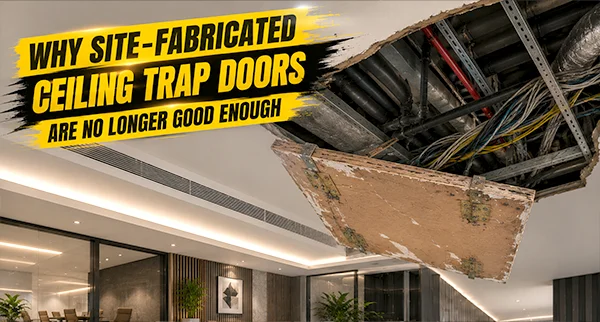
Ceiling Trap Door
Why Site-Fabricated Ceiling Trap Doors Are No Longer Good Enough
For decades, the construction industry fabricated ceiling access on site because there was no engineered


The Creative series is the design-led range within [IQUBX modular glass partitions]. The [main glass partitions page] explains [what glass partitions are and why they are used] and the [framing systems and glass configurations] available and introduces [glazed partitions as a canvas of creativity]. This page takes that subject in full: what a partition can express, how IQUBX grids are built so that they can be changed, and the grid systems of the series.
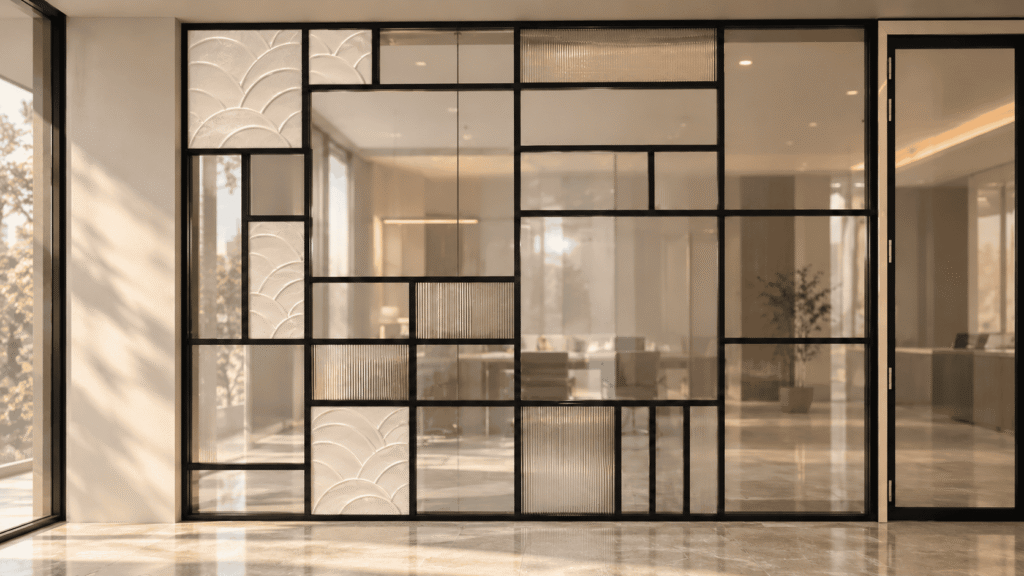
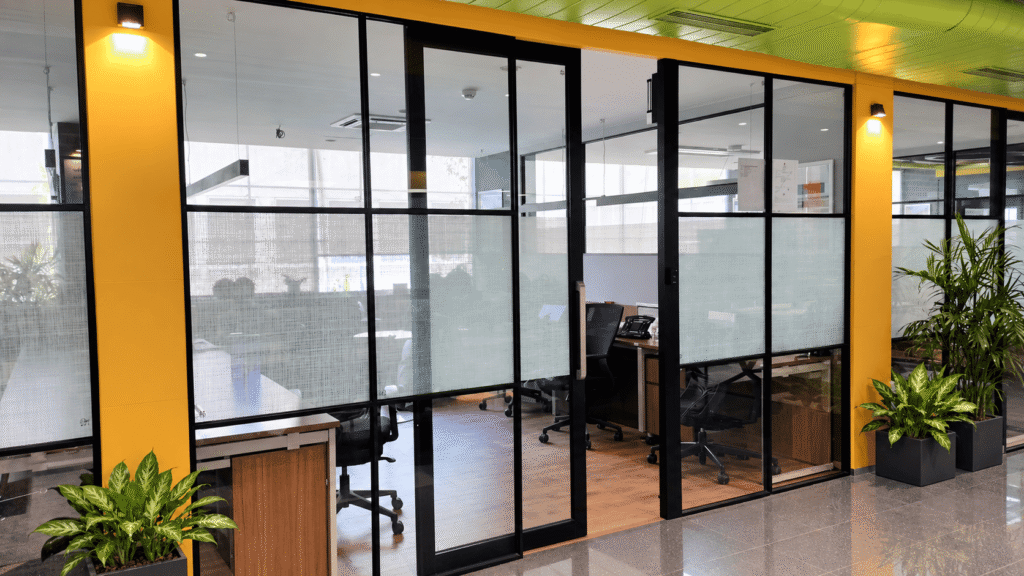

Glass partitions need not be just simple glass and frame. They can be a canvas for creativity, a scrapbook for memories, a medium of self-expression and of your status, a source of beauty and a pleasure to savour, and an integral part of your interior design. This series highlight an integral value of IQUBX – Creative Freedom.
A partition to be proud of. An indulgence or a need?
Love it, savour it, flaunt it.
The Creative series offers slim and sleek glass partitions with customizable grids and changeable panels: textured and coloured glass, ceramic tiles, stone, veneers, relief-carved wood panels, hand-painted canvas, metal screens, works of art, and anything else you can imagine. Grids can be created in any size and pattern. The partition can be modified as requirements change. Any panel can be changed post-installation, as your thoughts, your preferences and you yourself change over time, and even the complete design can be changed while reusing most of the parts.
Every system is completely modular, built with true mechanical joinery and without adhesives such as silicone. To our knowledge, these are the only glass partitions built entirely on true mechanical joinery, with no pasting anywhere.
Partitions of this kind are described as grid glass partitions, designer or decorative glass partitions in India and the Middle East; as Crittall-style or steel-look glazed partitions, and Georgian bar partitions, in the UK and Europe; and as grid glass walls or steel-look glass walls in the USA.
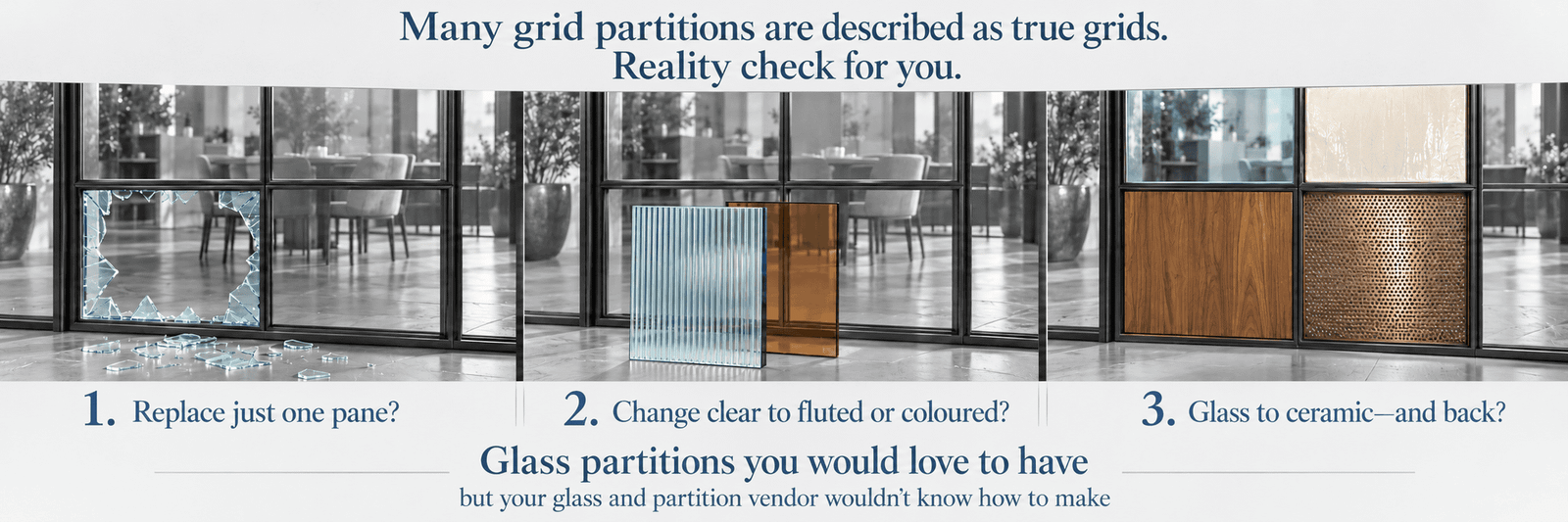
Many grid partitions are described as true grids. Three questions show whether one really is:
With an IQUBX Creative series partition, the answer to all three is yes. We ask these questions of every grid system we come across, and we have yet to hear a yes to all three.
If the design needs | Choose |
|---|---|
The flagship grid: the slimmest, and also made as sliding and sliding-folding partitions | GPC1550 |
Plain framing or grids with a two-colour edge, for glass up to 12 mm | GP1750 / GPC1750 |
A sturdy grid whose panels open from one side only | GPC2060 |
A grid with good sound insulation, in single or double glass | GPC18100 |
A grid with high sound insulation | GPC254530X (HAPIUS) |
A grid on existing glass, or curved and arched grid elements | GPC1415 |

Every member and every panel is held mechanically, without silicone or other adhesive.
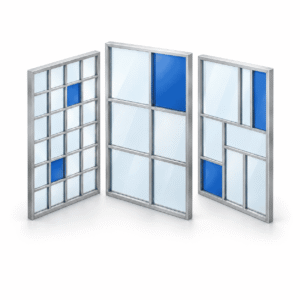
Crittall-style, wide-bay or asymmetric, with panes of different sizes in one partition.
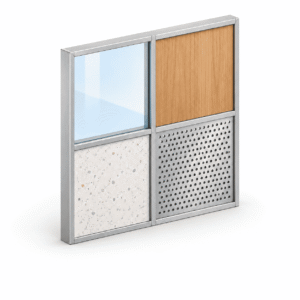
Textured and coloured glass, wood, stone, ceramic, metal, canvas and works of art.
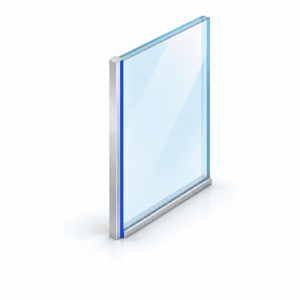
Faces from 14 mm, and a tapered inner grid only 40 mm deep in GPC1550.
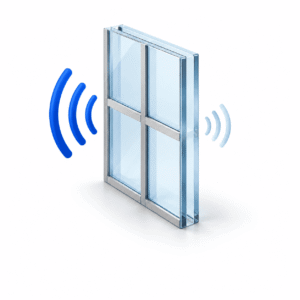
GPC18100 on a multi-chamber frame, and GPC254530X on the HAPIUS frame.
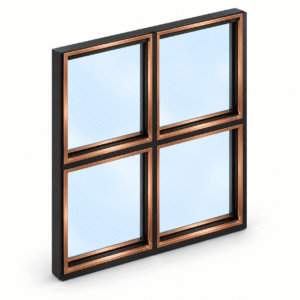
Base and moulding, or frame and inner grid, in different powder-coat or anodised colours.

GPC1415 is fitted over plain glass, and can be curved into arches and circles.
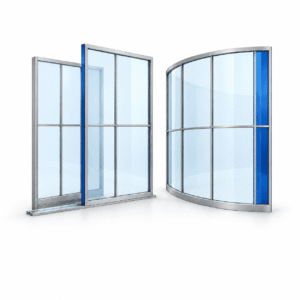
GPC1550 also slides and folds, and curves are built in other IQUBX frames.

The partition carries a brand, a personal taste or the heritage of a place.

A pane, a material or an artwork is exchanged without dismantling the partition.

The grid pattern can be revised, and most of the parts are used again.

A characterful grid with good or high sound insulation where a room needs it.

Partitions, sliding panels and doors share the same grids and finishes.

Nothing is pasted, so every part can be separated, reused or recycled.

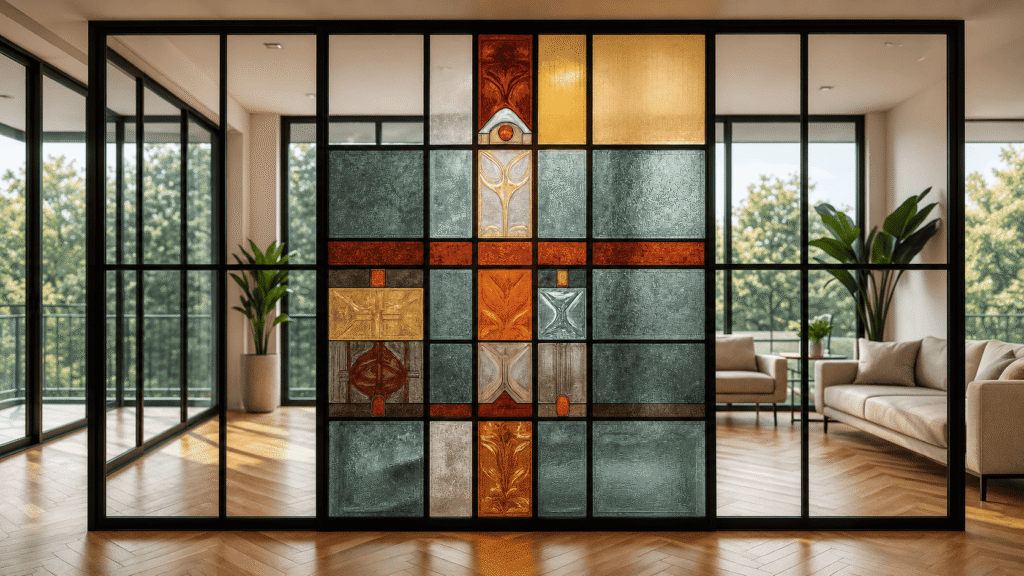
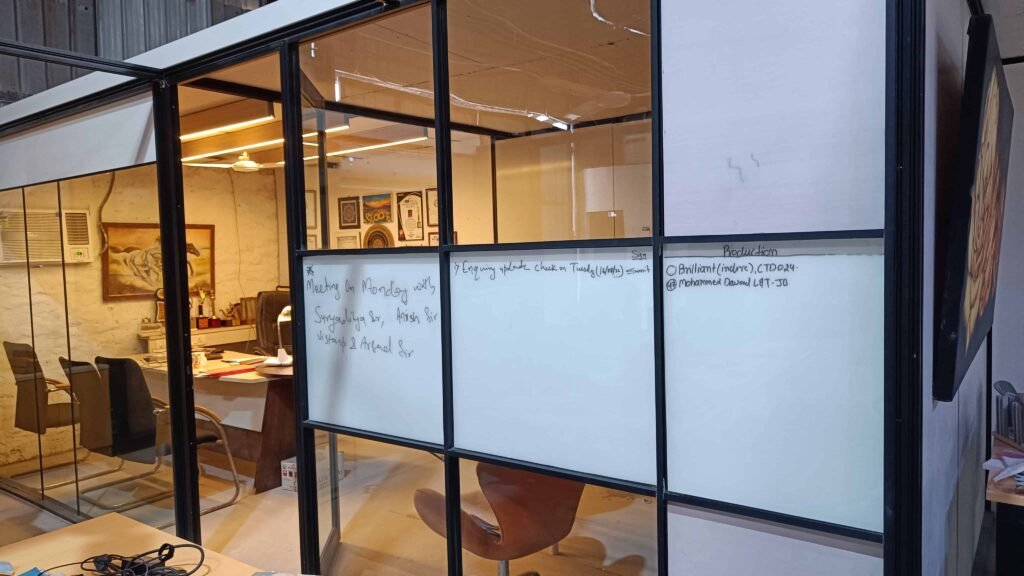
In most interiors the glass partition is the largest vertical surface after the walls, and it is seen from both sides. It can do far more than divide a space. A grid gives it rhythm and scale. Coloured, fluted and textured glass shape the light and the degree of privacy. Panels of wood, stone, ceramic, metal, canvas and art bring the materials of the interior, and the things that matter to its owners, into the partition itself. And because nothing in an IQUBX grid is pasted, the composition is not fixed: a panel, a material or the whole pattern can be changed as the people and the purpose of the space change. This section explains each of these in turn, and what they allow an architect, a designer or an owner to express.
Treated as plain glass in a plain frame, a partition divides a space and contributes nothing more. Treated as a composition of proportion, line, colour and material, it can define the character of an interior. That is the difference the Creative series is made for. The main page introduces the idea under [glazed partitions as a canvas of creativity]: a partition as a canvas of creativity, a showcase of personality and a repository of memories.
A grid gives a partition rhythm and scale. Fine, closely spaced members give the look of traditional steel-framed glazing, widely known as Crittall-style. Wider bays are calmer and more contemporary. The bays need not be equal: panes of different sizes, a band of small panes above a large one, or a wholly asymmetric composition can all be built in the same partition.
A grid is also practical. It brings a large glazed area down to panes that are easier to handle and to replace, and it lets one partition carry clear glass where a view is wanted and obscured glass or a solid panel where privacy is wanted.
Clear, low-iron, tinted, coloured, fluted, cast, textured, etched, frosted, patterned and fusion glass each handle light and privacy differently. Fluted and textured glass blur a view while letting the light through. Coloured glass changes the mood of a room with the time of day. Because each pane is held separately, different kinds of glass can be combined freely within one grid.
A bay need not hold glass at all. Panels of veneer, relief-carved wood, metal sheet and metal screens, ceramic tile, stone, hand-painted canvas and works of art can take their place in the grid beside the glass. The materials of the interior, and objects that matter to the people who use it, are brought into the partition itself.
In an office, the partition can carry the identity of a brand. In a residence, it can hold the taste, the collections and the memories of a family. In a hotel or a restaurant, it can carry the craft and the heritage of a place.
An interior is not finished on the day it is handed over. Tastes change, a brand is refreshed, a room takes on a new use. Because nothing in a Creative series partition is pasted, any panel can be taken out and another put in its place: a clear pane for a coloured one, glass for timber, last year’s artwork for this year’s. The grid pattern itself can be revised, and a complete redesign reuses most of the parts. The partition is therefore not a decision taken once, but something that can be lived with and altered.
Begin with what you want the space to express: a colour, a craft, a memory, a collection or the identity of its owners. An architect, interior designer or owner can compose these within an IQUBX Creative grid, using materials, light and transparency to bring a personal vision into the interior. The partition becomes a canvas for expression—one that can evolve as new experiences and ideas become part of life.
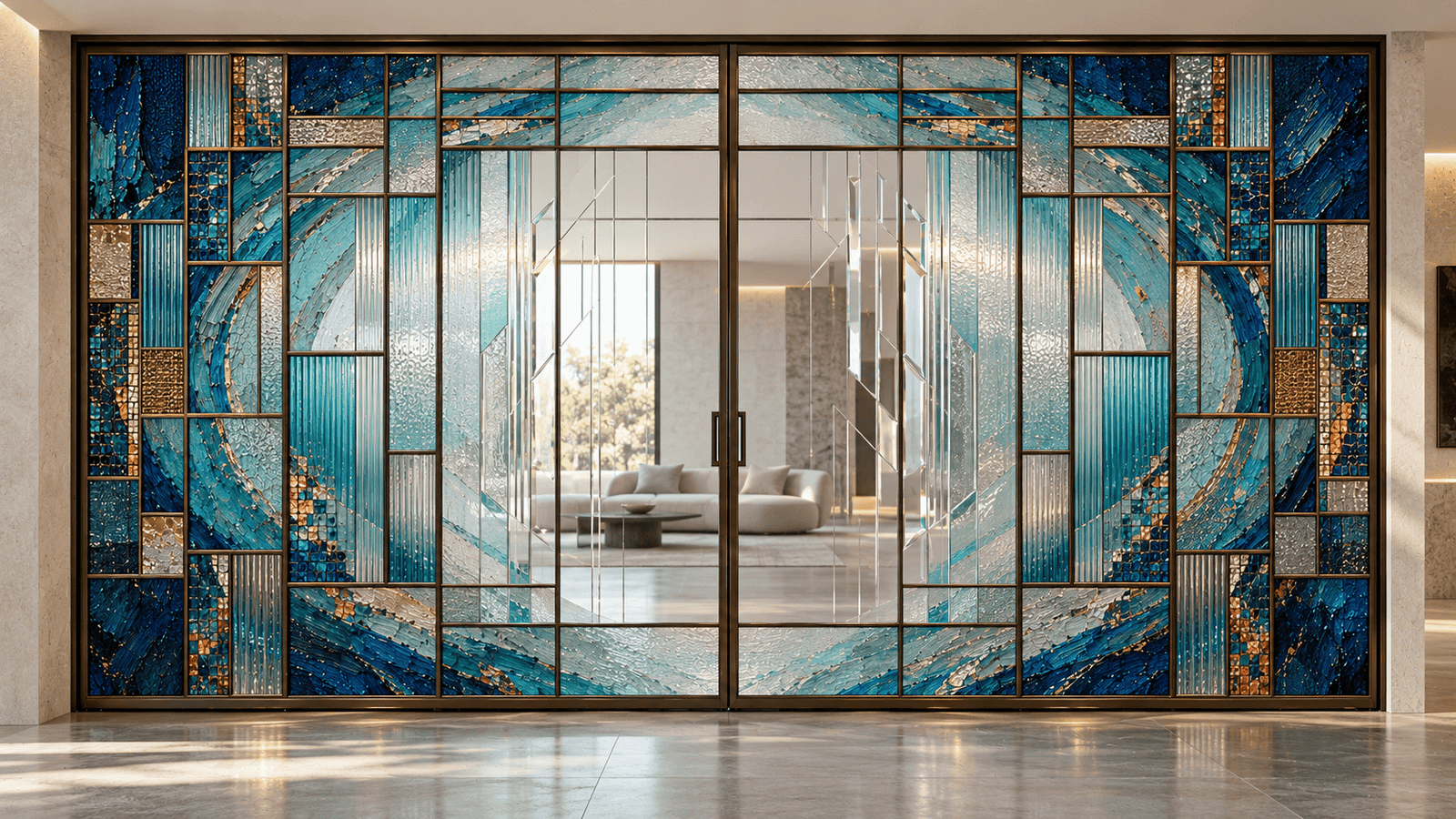
An abstract blue–teal composition flows across adjoining panes, gradually moving from rich, textured edges towards a transparent centre. Fine etched and bevelled glass adds detail without closing the view.
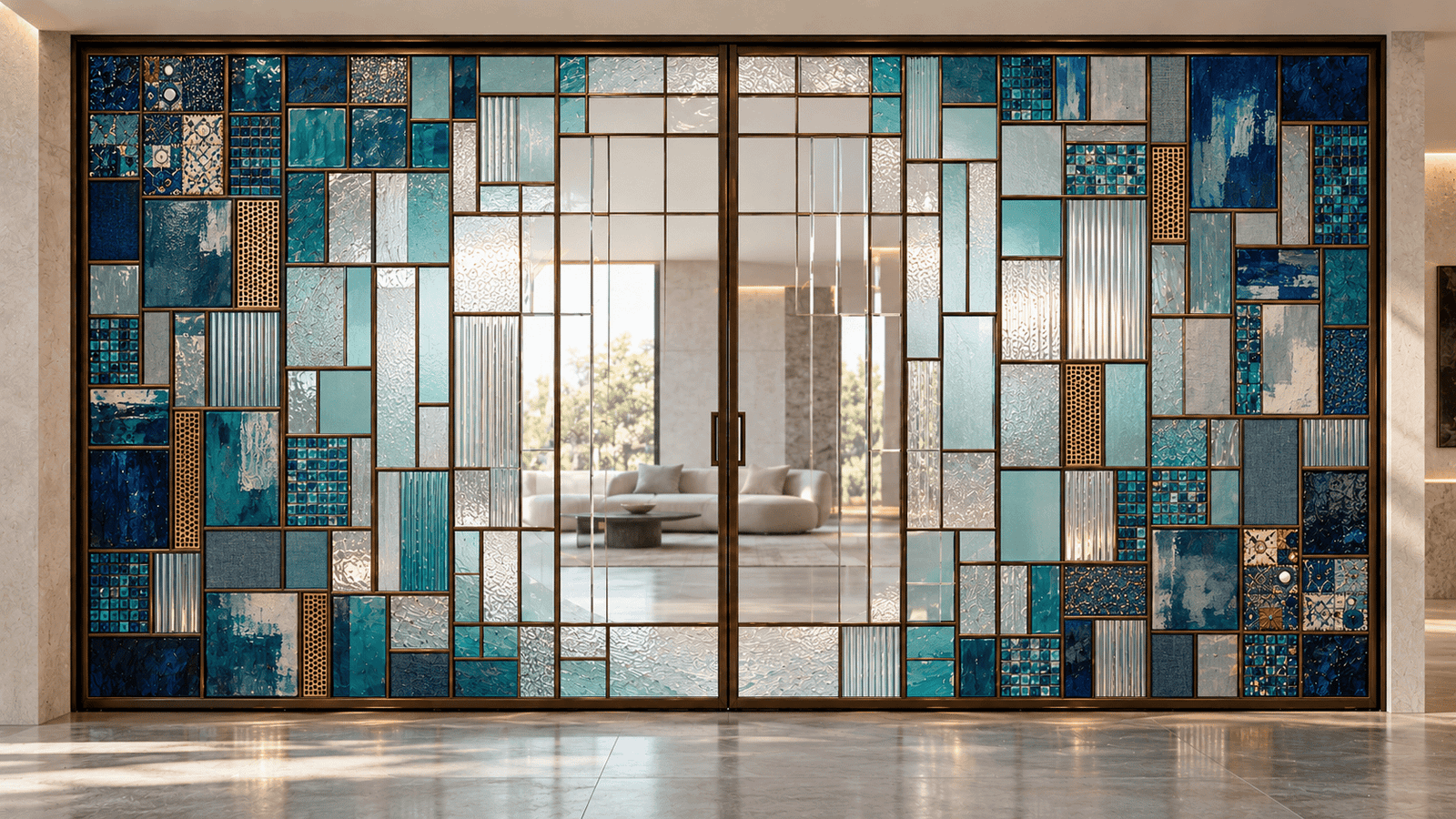
Painted canvas, ceramic, glass mosaic, Kutchi textiles and metal screens occupy individual bays. Their arrangement creates a gradual transition from opaque colour to light and transparency.
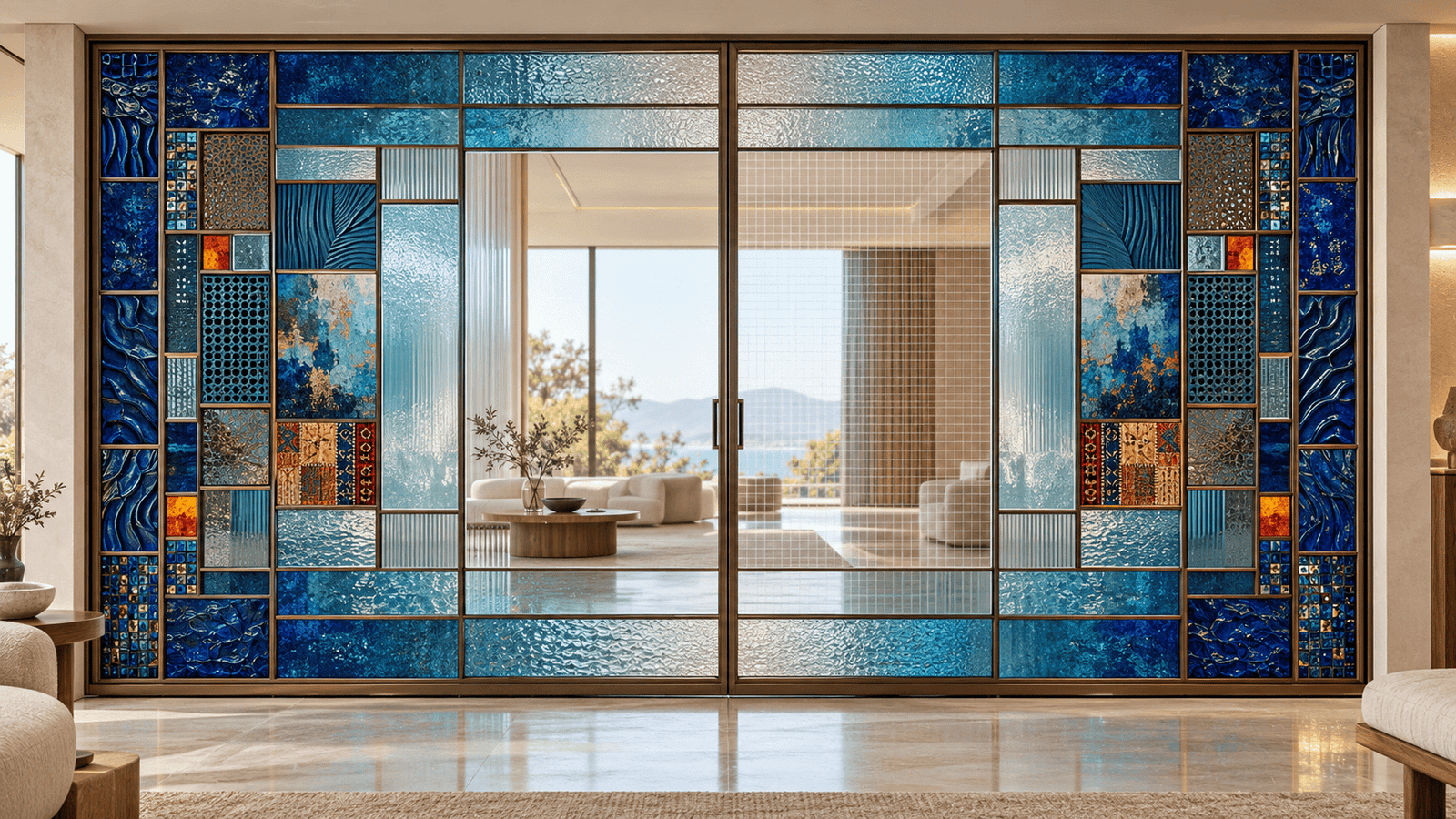
Mirrored grids bring order to a varied palette of blue–teal reliefs, textiles and textured glass. Two contrasting centre panes—one clear, one finely etched—introduce a subtle difference within the symmetry.
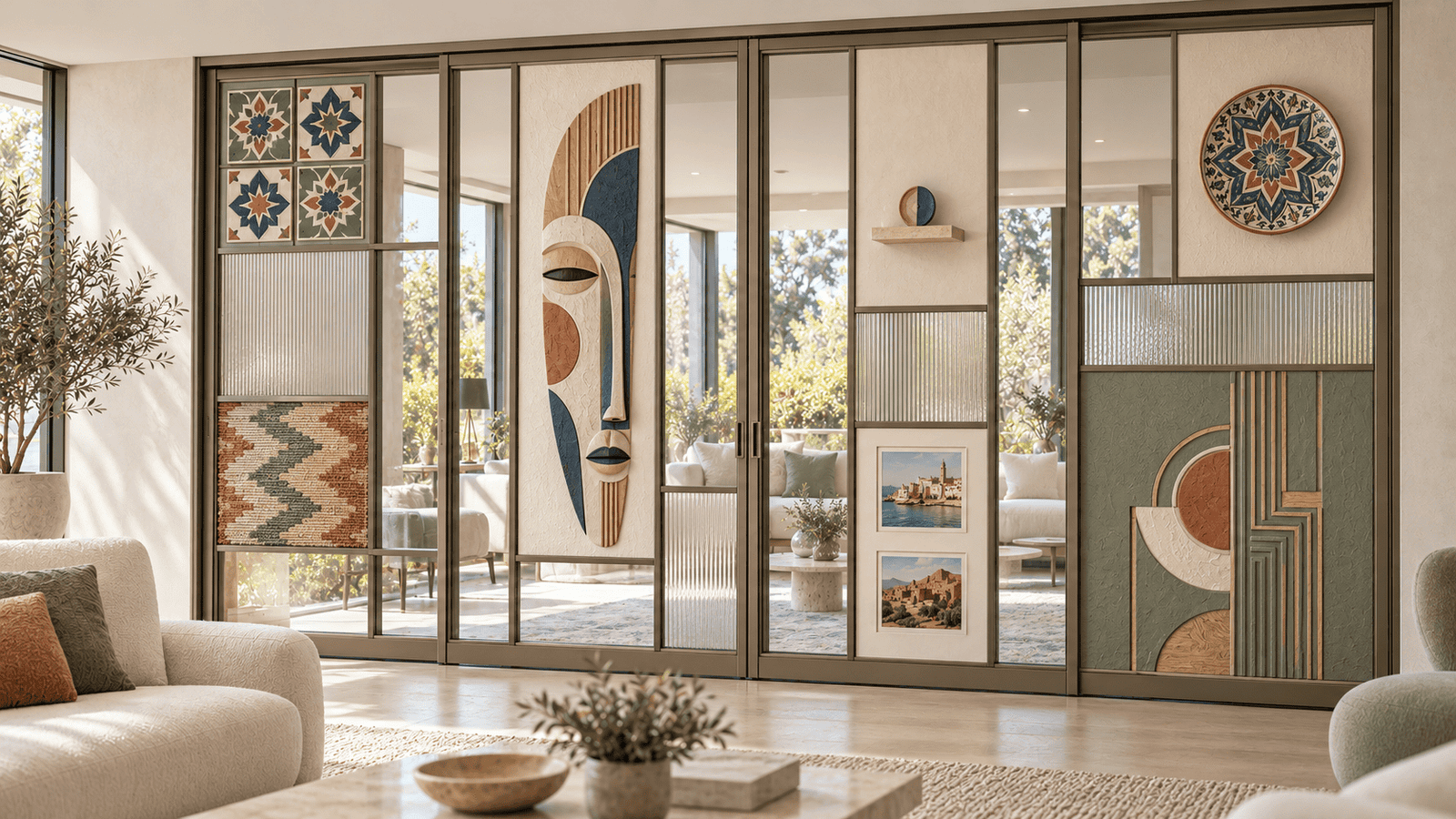
Moroccan ceramics, carved reliefs, woven textiles and travel photographs become part of a contemporary four-leaf partition. A restrained palette connects individual memories into one coherent work of art.
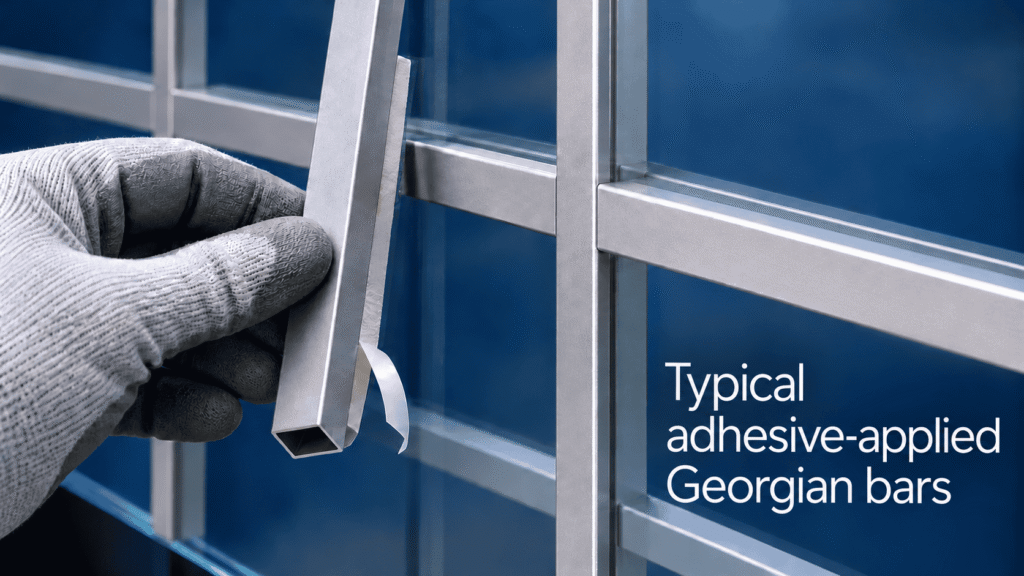
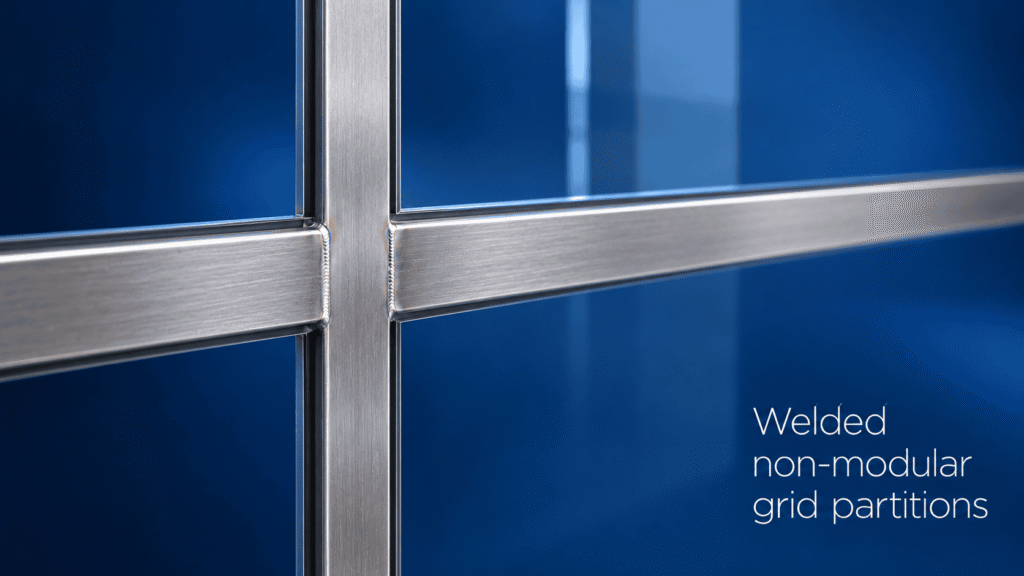
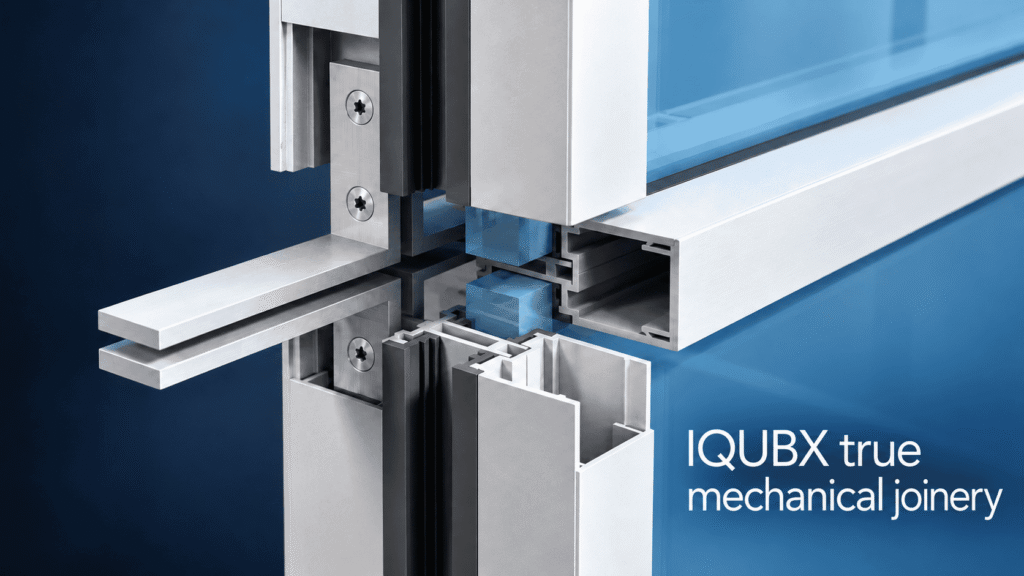
The look of a grid partition can be produced in several ways, and most of them fix the design for good. Bars may be pasted onto a single large pane, a metal frame may be welded to a pattern, or the glass may be bonded to its frame with adhesive. In each case a pane or a pattern cannot be changed without damage. IQUBX Creative systems are built differently. Every member of the grid is joined mechanically, and every pane or panel is held separately by snap-fit mouldings, without silicone. A panel can therefore be removed and replaced without disturbing its neighbours, and the pattern can be altered later. This section explains the usual methods and their limits, how an IQUBX grid is built, the one place where an adhesive may be used, and how existing plain glass can be given a mechanically jointed grid.
The main page explains [the difference between a Crittall-style grid and Georgian bars].
In a Creative series partition the grid is structural. Each vertical and horizontal member is an aluminium section of 6063-T6 alloy, and the members are connected to one another mechanically. Each pane or panel sits in its own bay and is held by snap-fit mouldings. No pane depends on its neighbour, and no joint depends on an adhesive. To our knowledge, these are the only glass partitions built entirely on true mechanical joinery, with no pasting anywhere.
The one place where an adhesive may appear is on the face of an infill panel. Tiles, stone, veneer and similar decorative materials can be pasted onto a base panel, which is then placed in the grid like a pane of glass; the groove around the bay accommodates the greater thickness. The panel as a whole is still held mechanically, and it can be taken out and exchanged like any other.
To change a panel, its mouldings are released, the panel is withdrawn and another is fitted. The rest of the partition is not dismantled and no glass is broken. To change the pattern, grid members are repositioned or added, and most of the existing parts are used again.
Where a plain glass partition, door or window already exists, GPC1415 provides a grid without replacing the glass. It is a 14 × 15 mm section fitted over the glass, from one side or from both, and its members are joined to one another mechanically and are not stuck on piece by piece. It is described with the other models below.


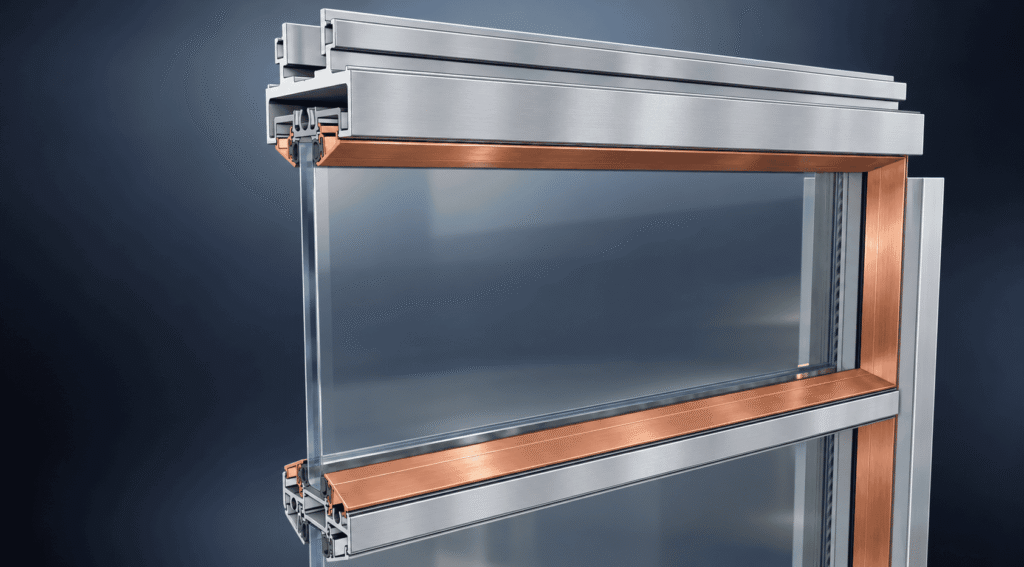


GPC1550 is the flagship system of the series, a 15 × 50 mm section with complete flexibility of grid design. The moulding section is made from a tapered profile only 40 mm deep. It reads narrower than the frame around it, and it can be powder coated or anodised in a different colour.
Parameter | GPC1550 |
|---|---|
Variants | GPC1550 fixed · GPCSL1550 sliding · GPCSF1550 sliding-folding |
Section | 15 × 50 mm, tapered moulding; inner grid 40 mm |
Glass | 6, 8, 10 mm toughened; 11.5 mm laminated |
Other materials | Fluted, cast, textured and coloured glass; wood veneer and carving; metal and ceramic tile panels; other decorative materials pasted on a base panel |
Height | 2400 to 3600 mm |
Finishes | Two-colour powder coat or anodised, for example black with rose-gold or wood |
Door frame / door | IQUBX DF03 · GD03 (26 × 40 mm stile, grids possible) |
GPC1550 is also made as a sliding partition, GPCSL1550, and as a sliding-folding partition, GPCSF1550. The moving panels carry the same grid, glass and finish as the fixed partition beside them, so one screen can be part fixed and part moving within a single design. Panels, tracks and hardware are described on the [Sliding glass partitions] page.


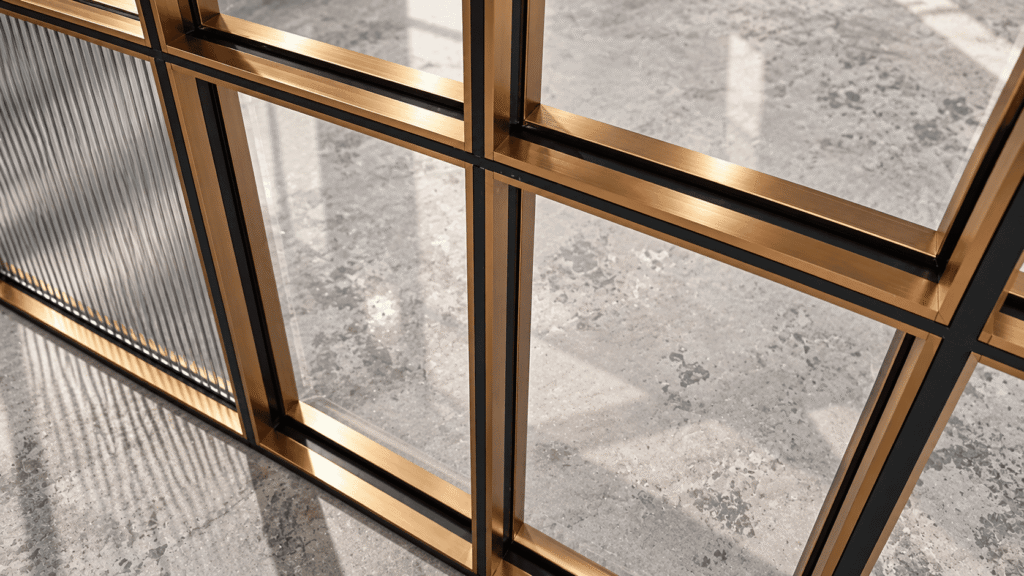
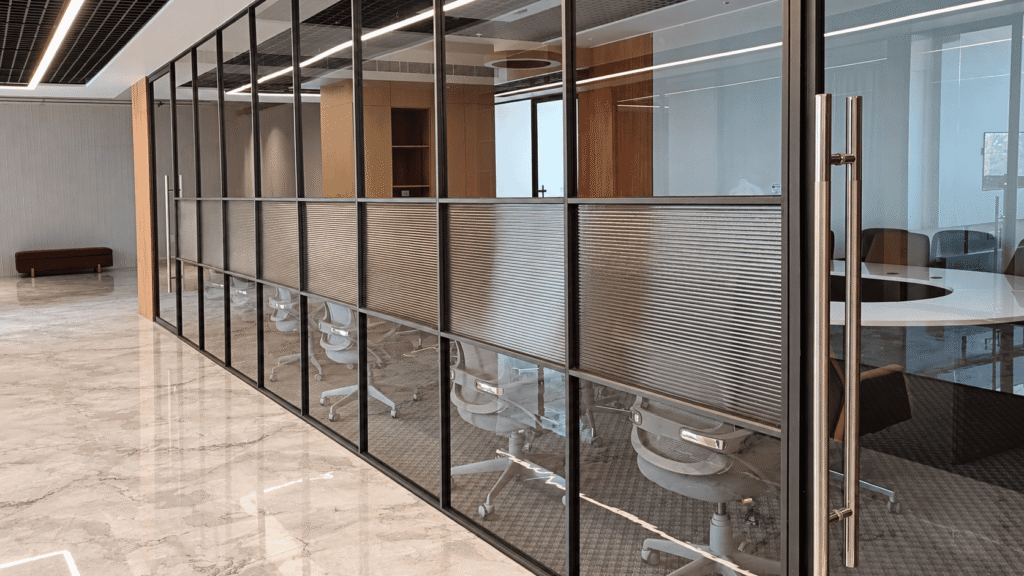


An elegant 17 × 50 mm system for fixed partitions, made as plain framing (GP1750) or as a Crittall-style grid (GPC1750). Half the visible edge is the base and half is the snap-fit moulding, so the two can be finished in different colours to give a fine two-tone line. It takes glass from 8 to 12 mm, or 11.5 and 13.5 mm laminated glass, which makes it the choice where thicker glass is wanted in a slim grid.
Parameter | GP1750 / GPC1750 |
|---|---|
Variants | GP1750 plain framing · GPC1750 grid |
Section | 17 × 50 mm |
Glass | 8, 10, 12 mm toughened; 11.5, 13.5 mm laminated |
Other materials | Textured or coloured glass; wood, metal and ceramic panels |
Height | 2400 to 3600 mm |
Finishes | Two-colour powder coat or anodised |
Door frame / door | IQUBX DF03-50 · GD03 (26 × 40 mm stile, grids possible) |

GPC2060 is a sturdy and strong 20 × 60 mm grid system for fixed partitions, for 5, 6 and 8 mm glass or any other panel material. Its mouldings are removed from one side only, so a panel cannot be taken out from the other face. This makes it secure, and it is the reason it is chosen for partitions on the outer line of an interior.
Parameter | GPC2060 |
|---|---|
Section | 20 × 60 mm |
Glass | 5, 6, 8 mm toughened |
Other materials | Fluted, cast, textured and coloured glass; wood veneer and carving; metal panels; ceramic tiles; other decorative materials pasted on a base panel |
Height | 2400 to 3600 mm |
Door frame / door | IQUBX DF03 · IQUBX doors |
Designed for interiors. Because its panels open from one side only, GPC2060 has also been used by designers and applicators for exterior fixed windows and façade glazing in homes and retail; suitability for any exterior application is to be assessed by the project team.
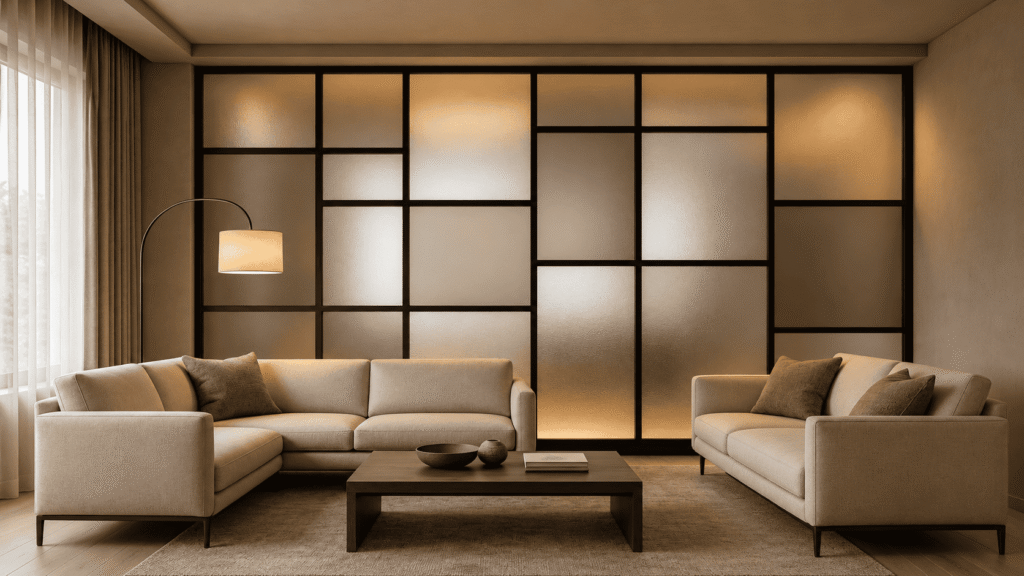

GPC18100 builds Crittall-style grids and mixed-material panels on the 22 × 100 mm multi-chamber frame of GP18100, in single glass (GPC18100S) or double glass (GPC18100D). It is for boardrooms, cabins, clinics and residences that want the character of a grid and good sound insulation in the same partition. The [Performance series] page explains how the multi-chamber frame obtains its sound insulation.
Parameter | GPC18100 |
|---|---|
Variants | GPC18100S single glass · GPC18100D double glass |
Section | 22 × 100 mm, multi-chamber frame |
Glass | 8, 10 mm toughened; 11.5 mm laminated |
Other materials | Textured, coloured and laminated glass; wood, metal, ceramic and decorative panels |
Height | 2400 to 3600 mm |
Door frame / door | IQUBX DF03-102 · GD05D |
Sound insulation | [STC — AFTER TESTING] |

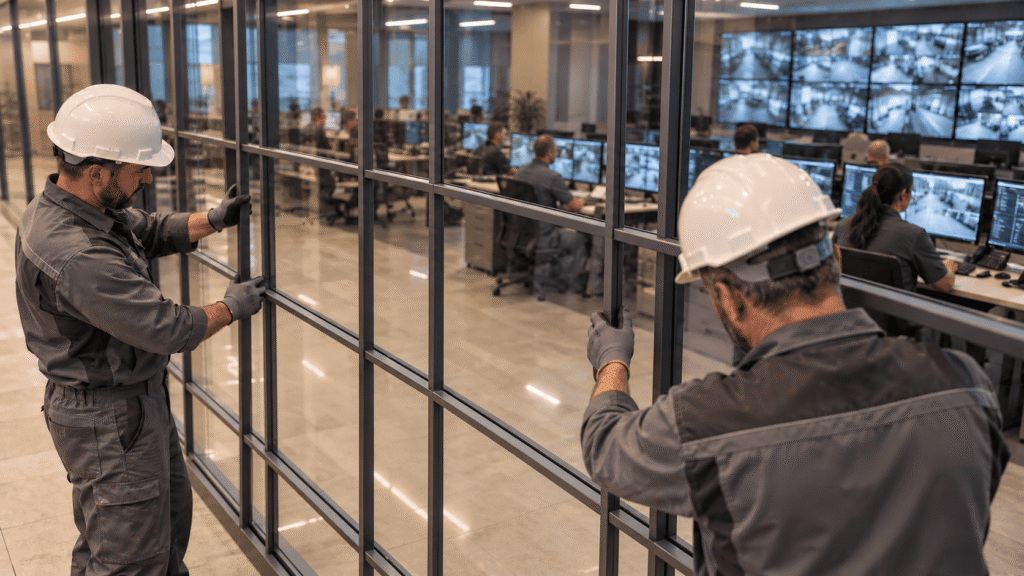
GPC254530X is the grid series built on HAPIUS, the technology of GP254530X. In HAPIUS the slim spine of the frame serves as both mullion and transom, so the grid is built from the acoustic frame itself and is not added over it. Multi-grid, Crittall-style configurations are made in every width of the frame, and the models are named by their width: GPC254530-45, GPC254530-75, GPC254530-105 and GPC254530-135, and so on for wider frames. It is the series for rooms that need a characterful grid and high sound insulation together. HAPIUS is under patent, and the [HAPIUS series] page explains the technology and the glazing possible in each width.
Parameter | GPC254530X |
|---|---|
Technology | HAPIUS (under patent) |
Models | GPC254530-45 · GPC254530-75 · GPC254530-105 · GPC254530-135, and wider |
Section | 25 × 45 / 75 / 105 / 135 mm or more |
Glass and panels | Up to 12 mm per slot; glass combined with other materials; glazing according to the width of the frame, as on the HAPIUS page |
Grid | Multi-grid in every width; mechanically assembled, without adhesive; each panel can be withdrawn and replaced |
Height | Up to 3600 mm |
Sound insulation | [STC — AFTER TESTING] |


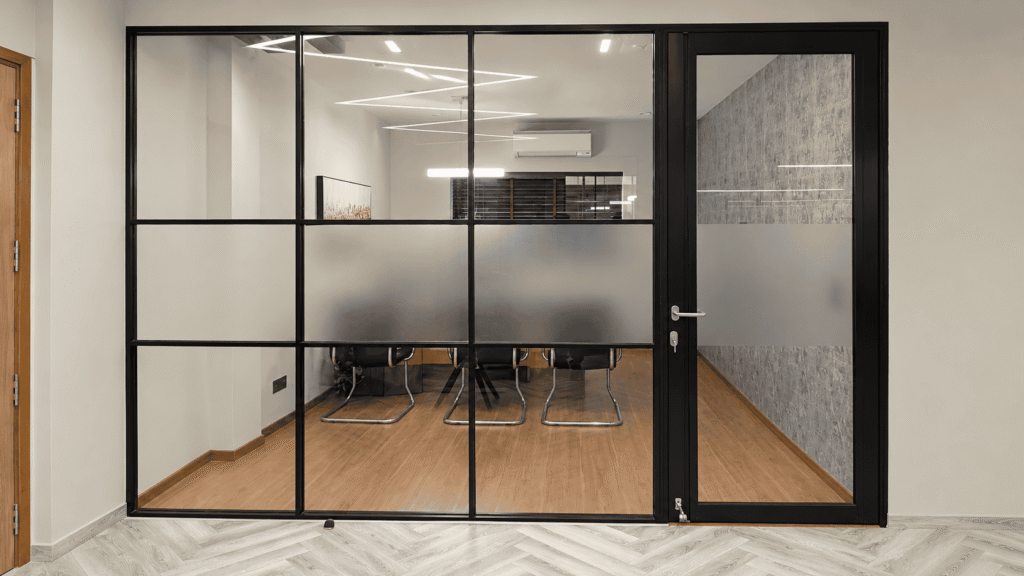
GPC1415 is a 14 × 15 mm mechanically jointed grid that is fitted onto new or existing glass, from one side or from both. It turns a plain partition, door, window or sliding panel into a grid design without replacing the glass. The slim section can also be curved and shaped into circular, curvilinear and arched elements, used as an H-section to form separate panels within a partition, and used on its own for screens, trellises, planters and table bases. It is also the way a grid is given to a curved glass partition, where it is applied to the glass as a faux frame, on one side or on both.
Parameter | GPC1415 |
|---|---|
Section | 14 × 15 mm |
Use | Add-on grid on any glass, flat or curved, one face or both; curved and arched elements; screens and furniture |
Joinery | Mechanical |
Finishes | Any powder-coat colour, or anodised |

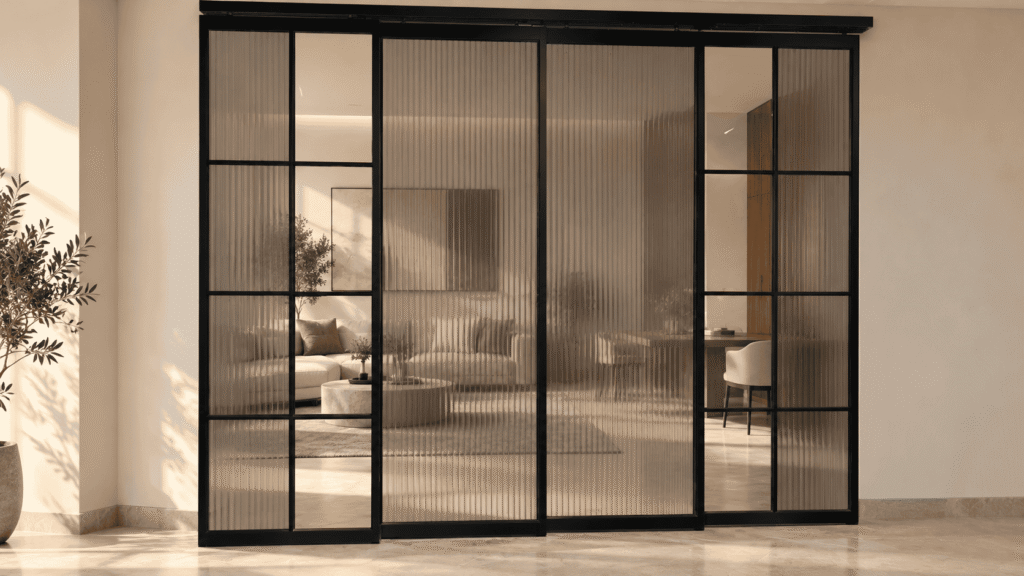
Many IQUBX systems can be made to slide. In this series GPC1550 is made as sliding and sliding-folding partitions, and the IQUBX glass doors GD02 and GD03 are also used as sliding partitions, with the same grids. Movement is often an aspect of a creative design, but it is a subject of its own. The [Sliding glass partitions] page brings together all the sliding and sliding-folding systems, with their panels, tracks and hardware.
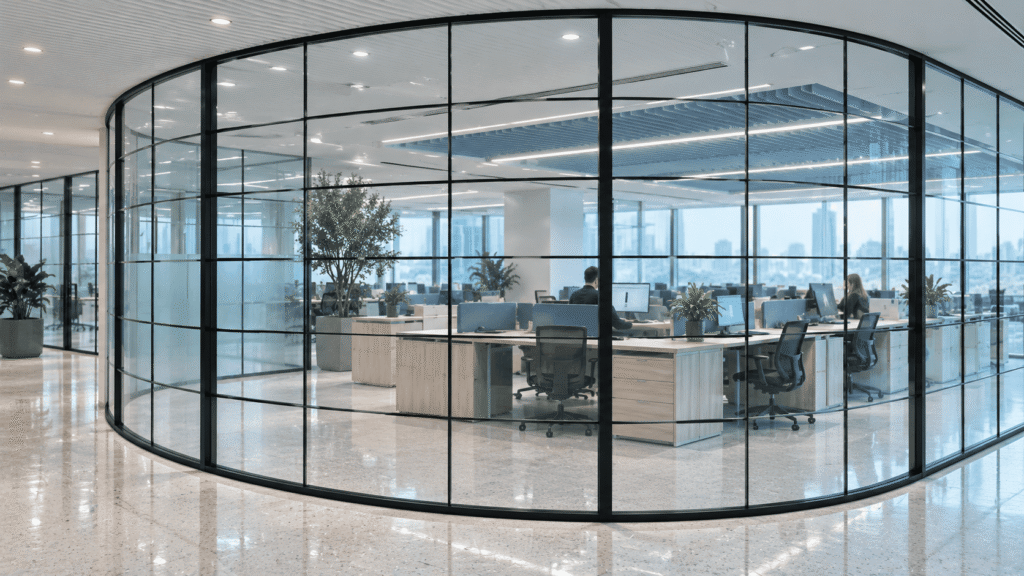
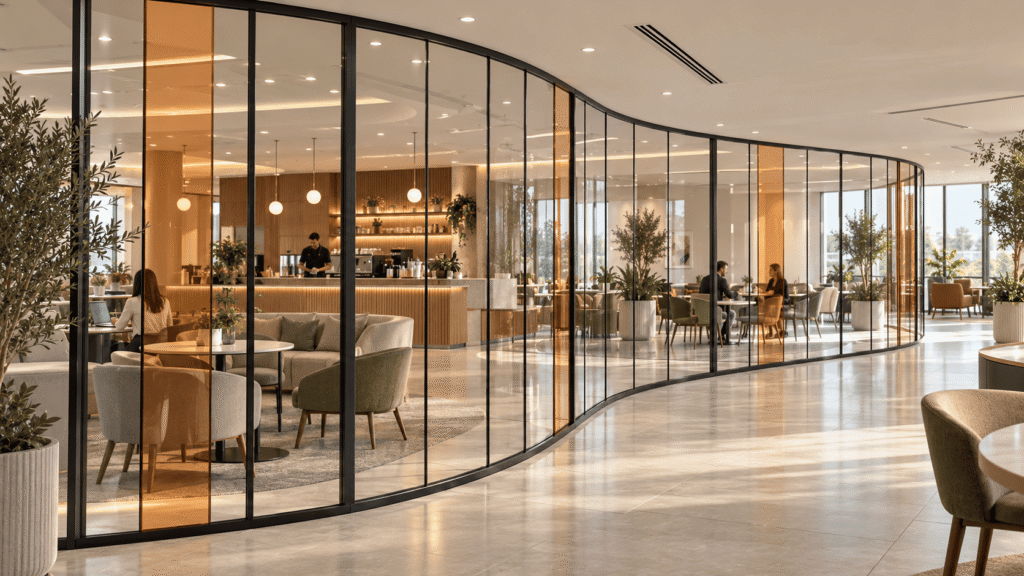
A curve is a strong gesture available to an interior: a rounded meeting room, a corner turned without a post, a screen that leads the eye along a route. Curved glass partitions are an aspect of the same creative freedom, though they are not part of the grid series. IQUBX builds them in GPCR2160, the curved form of GP2160 of the Performance series, and in GPCR1436, the curved form of GP1436 of the Essentia series. These frames do not take a structural grid. Where a grid is wanted on a curve, GPC1415 is applied to the glass as a faux frame, on one side or on both. Radii, heights, glass and details are given on the [Curved glass partitions] page.
Creative series partitions are paired with IQUBX modular stile doors that carry the same grid. GD03 is the ultra-slim door, with a 26 × 40 mm stile, made to match GPC1550 and GPC1750. GD02 has a wider stile for concealed hinges, concealed closers and electronic locks. GD04 is a slim door whose stile can be curved for rounded openings. Grids can be created in all three to match the grid of the partition, with the same true mechanical joinery, and they are hung in the modular DF03 door frame.
The Creative series is sustainable in the way it is built. Because every joint is mechanical, glass, aluminium and infill panels separate cleanly, and can be reused, replaced or recycled one by one. A design can be refreshed, or changed completely, while most of the parts stay in service, so a change of taste does not send a partition to scrap. The systems are made of recycled-content 6063-T6 aluminium and carry the GreenPro Ecolabel Type 1. The main page explains the [hidden carbon of interior change], and the HAPIUS page sets out the [IQUBX notional lifecycle study] of modular interior systems.
Living, dining and study rooms divided with character, and with the family's own materials.
Lobbies, restaurants, cafés and suites that carry the craft of a place.
Brand-led screens, display backdrops and shopfronts within a mall or store.
Crittall-style boardrooms and cabins, with sound insulation where it is needed.
Calm, private rooms with softened light through fluted and textured glass.
Reading rooms, studios and heritage interiors.
System | Section (mm) | Glass (mm) | Height (mm) | Form | Door frame / door |
|---|---|---|---|---|---|
GPC1550 | 15 × 50; inner grid 40 | 6, 8, 10 toughened; 11.5 laminated | 2400 to 3600 | Fixed; sliding and sliding-folding variations | DF03 · GD03 |
GP1750 / GPC1750 | 17 × 50 | 8, 10, 12 toughened; 11.5, 13.5 laminated | 2400 to 3600 | Fixed | DF03-50 · GD03 |
GPC2060 | 20 × 60 | 5, 6, 8 toughened | 2400 to 3600 | Fixed; opens one side | DF03 · IQUBX doors |
GPC18100 | 22 × 100 | 8, 10 toughened; 11.5 laminated; single or double | 2400 to 3600 | Fixed | DF03-102 · GD05D |
GPC254530X | 25 × 45 / 75 / 105 / 135 or more | Up to 12 per slot | Up to 3600 | Fixed; multi-grid in every width | See HAPIUS page |
GPC1415 | 14 × 15 | Fits any glass, flat or curved | — | Add-on grid | — |
All systems: 6063-T6 aluminium alloy with recycled content; dry mechanical assembly; any powder-coat colour or anodised; designed and made in India.
Item | Detail |
|---|---|
Ecolabel | GreenPro Ecolabel Type 1 (CII-IGBC); certification in process for the HAPIUS GPC254530X |
Material | 6063-T6 aluminium alloy, recycled content, fully recyclable |
Green-building projects | Suitable for projects pursuing IGBC, GRIHA, LEED, WELL, BREEAM, Green Star, Estidama and GSAS certification. Product information may support relevant project assessments; credits depend on the scheme and the full project specification. |
Intellectual property | IPR-protected through design registrations; HAPIUS technology under patent |
Acoustic test reports | GPC18100 and GPC254530X: [AFTER TESTING] |
Creative series glass partitions can be combined in one project with IQUBX demountable partitions. They pair most naturally with WP02P snap-fit paneling, which shares their approach of mechanically held, changeable panels and mixed materials, and they can equally be used with WP03P solid partitions and WP01P paneling partitions, so that glazed and solid walls are planned, supplied and reconfigured as one modular interior system. The grooves or visible sections in these demountable partitions can be matched to the grids in the creative glass series to create a wider aesthetic grammar.
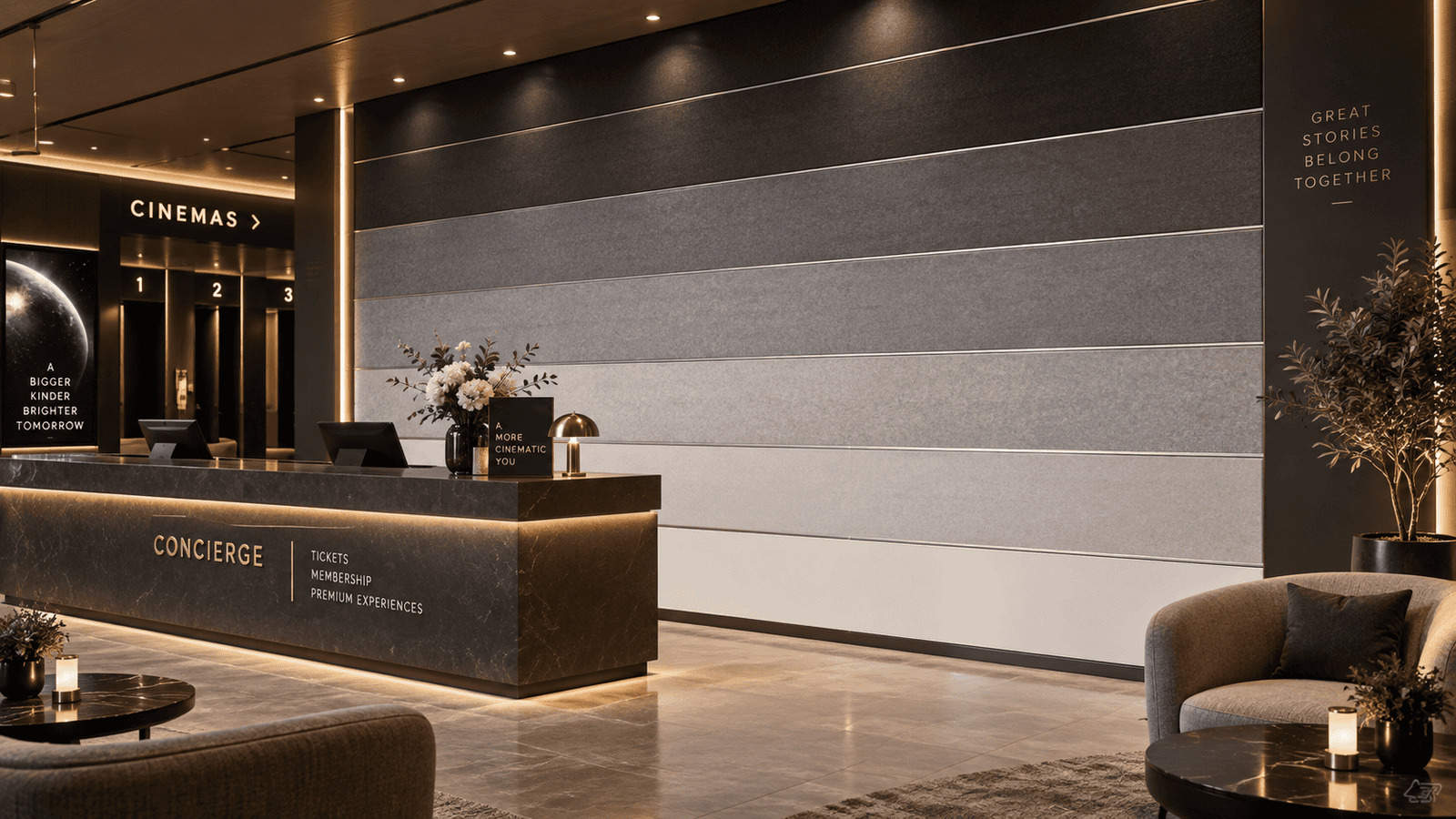
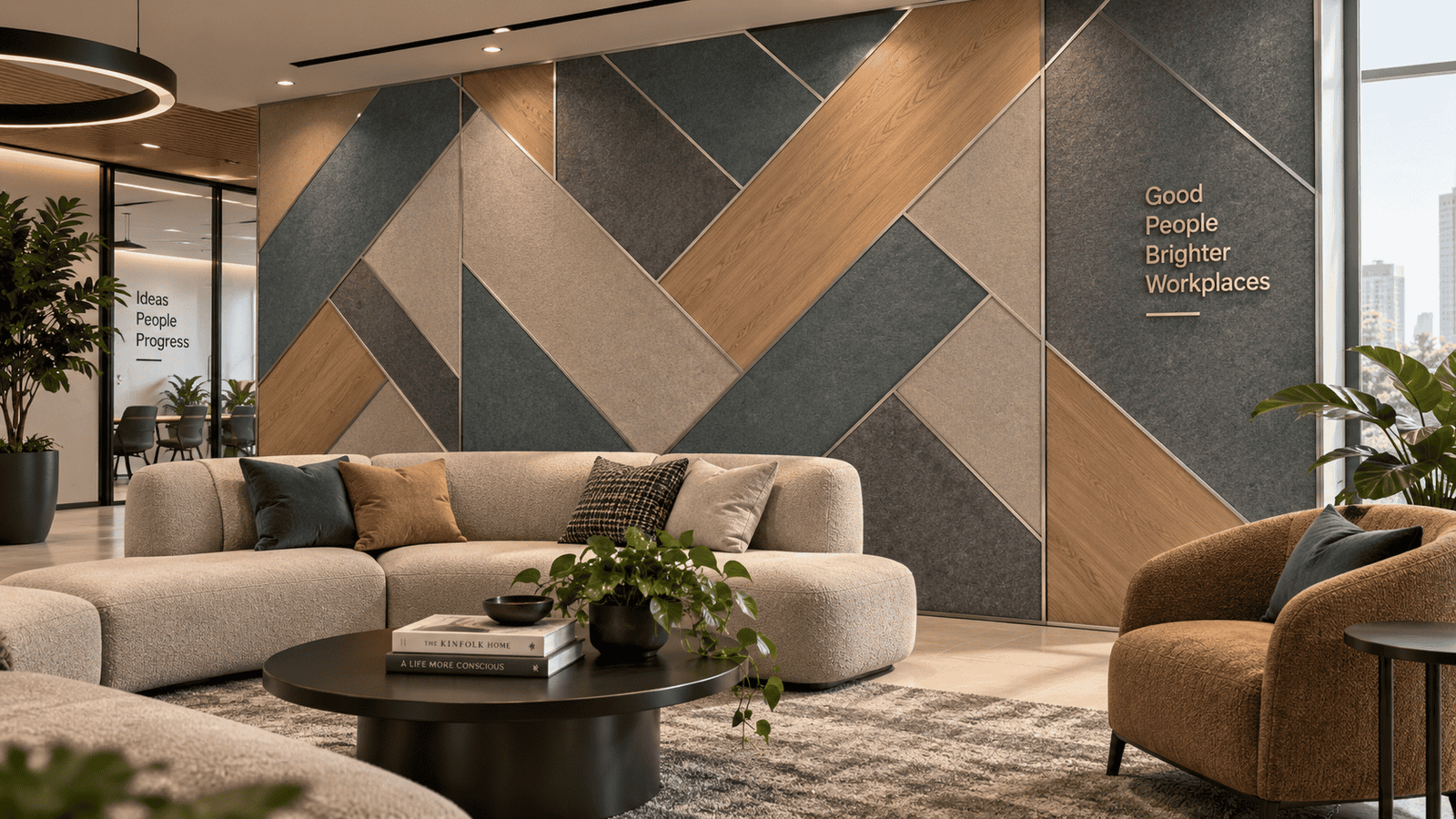
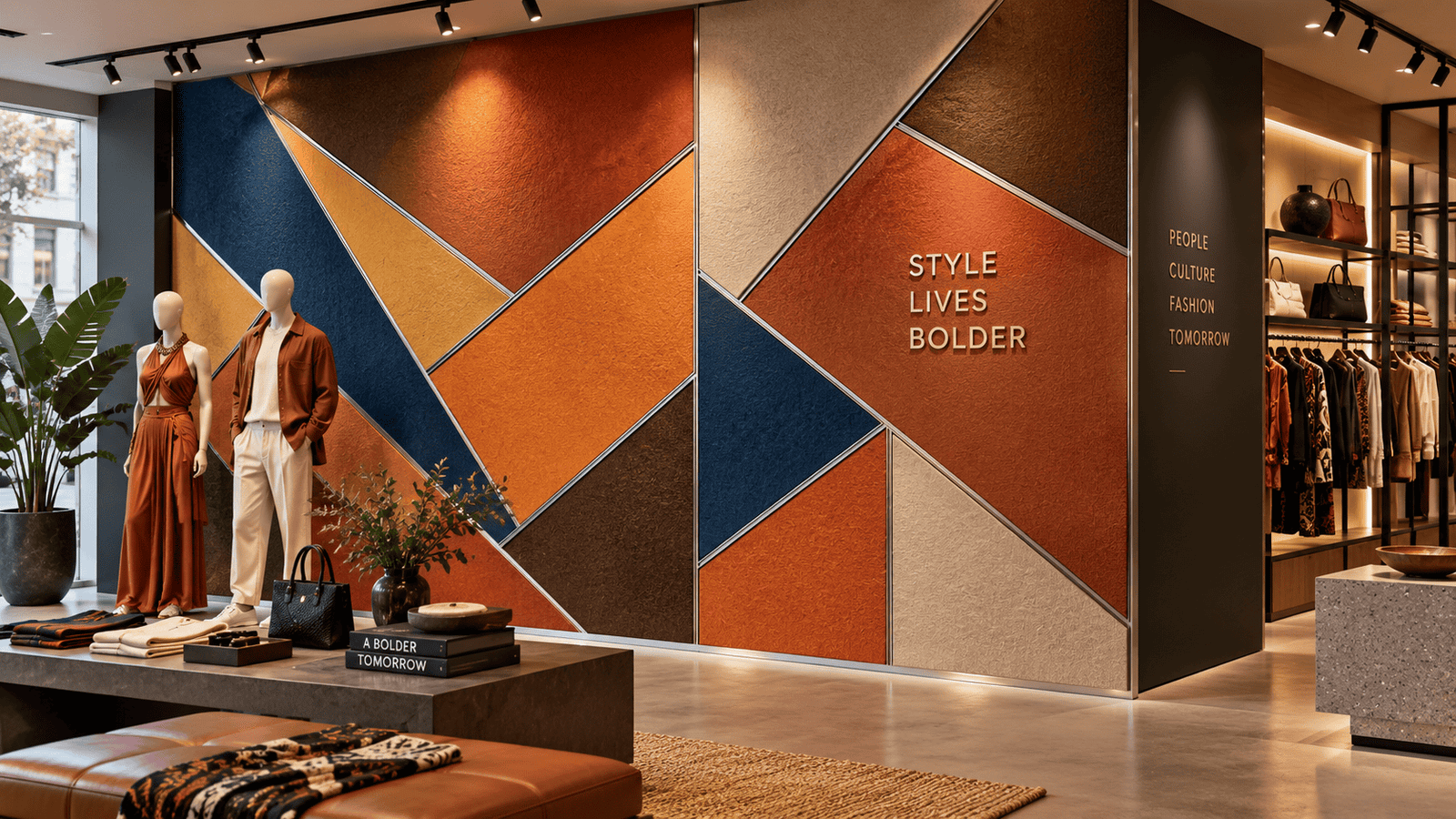
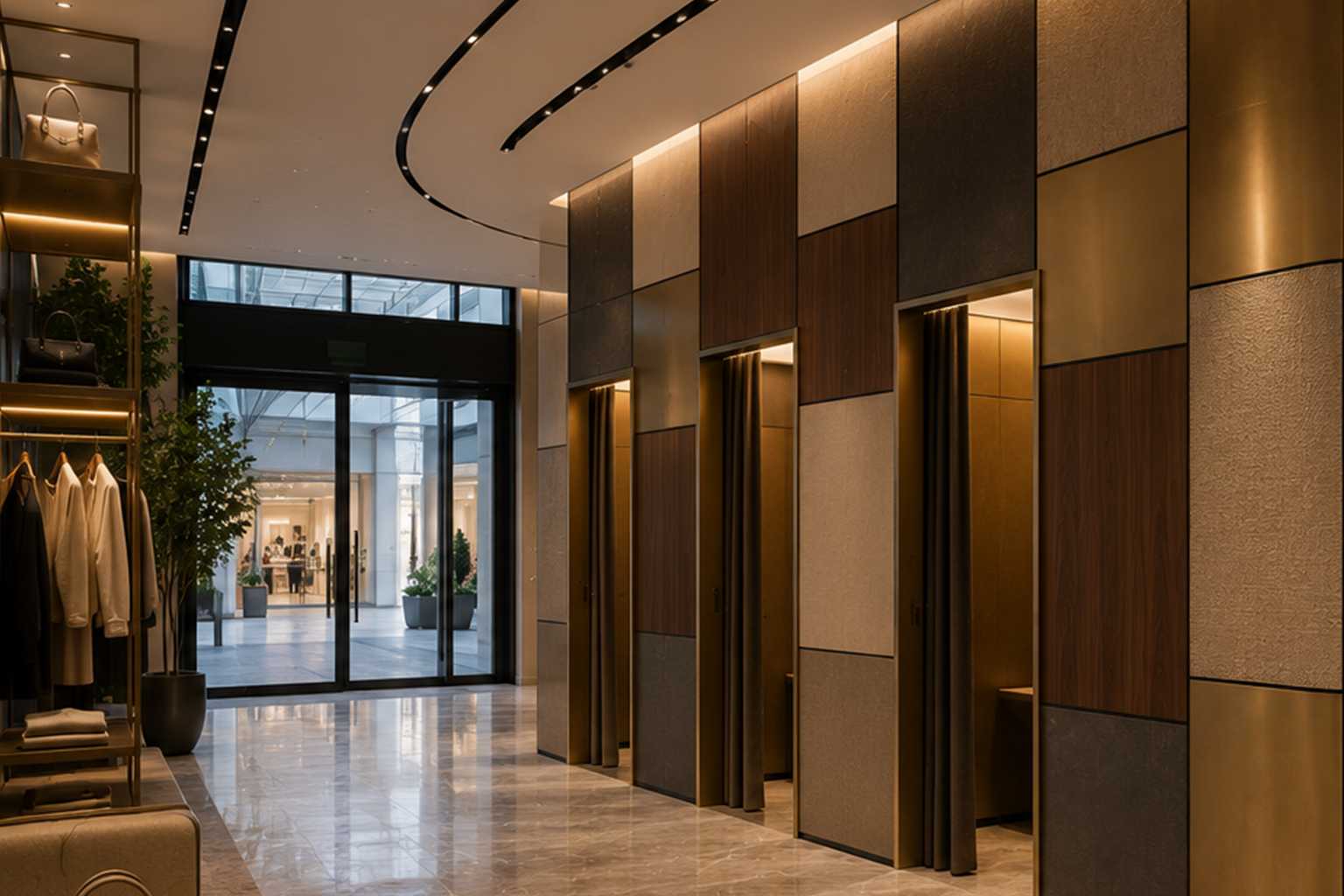
Specification-grade acoustic ceiling solutions delivered across diverse sectors.

A glimps of our innovative ceiling solutions in real-world spaces
The Creative series is the IQUBX range of grid glass partitions for design-led interiors. Grids can be made in any size and pattern, panels can be of glass, wood, stone, ceramic, metal, canvas or art, and every joint is mechanical, so any panel or the whole design can be changed later. Sliding and curved glass partitions have pages of their own.
Choose GPC1550 for the slimmest grid, which is also made as sliding and sliding-folding partitions. Choose GPC1750 for a two-colour edge and glass up to 12 mm, and GPC2060 for a sturdy grid that opens from one side only. Choose GPC18100 for a grid with good sound insulation, and the HAPIUS GPC254530X for a grid with high sound insulation. GPC1415 adds a grid to existing glass.
Yes. Each pane or panel is held by snap-fit mouldings in its own bay. The mouldings are released, the panel is withdrawn and another is fitted, without dismantling the partition or breaking any glass. The grid pattern can also be revised, reusing most of the parts.
Veneer and relief-carved wood, metal sheet and metal screens, ceramic tile, stone, hand-painted canvas and works of art. Thin decorative materials such as tile and veneer are fixed to a base panel, which is then held in the grid mechanically like a pane of glass.
Yes. GPC1550 is made as a sliding partition (GPCSL1550) and a sliding-folding partition (GPCSF1550) that match the fixed grid. The [Sliding glass partitions] page covers all the IQUBX sliding systems.
Yes. GPC1415 is a 14 × 15 mm mechanically jointed grid fitted onto existing glass from one side or both, without replacing the glass. It can also be curved to form arches and circles, and applied to curved glass.
Yes. GPC18100 builds the grid on a 100 mm multi-chamber frame, in single or double glass, for good sound insulation. For high sound insulation, the GPC254530X series builds the grid from the HAPIUS acoustic frame itself, in every width of that frame.
IQUBX curved partitions are built in GPCR2160 and GPCR1436, which do not take a structural grid. A grid is given by applying GPC1415 to the curved glass as a faux frame, on one side or on both. The [Curved glass partitions] page gives the radii, heights and glass.
Yes. In GPC1750 the base and the snap-fit moulding can be finished in different colours, and in GPC1550 the inner grid can differ from the frame, for example black with rose-gold or with a wood finish.
The series is designed for interiors. GPC2060 opens from one side only, and for that reason designers and applicators have also used it for exterior fixed windows and façade glazing in homes and retail. Suitability for any exterior application is to be assessed by the project team.
IQUBX's specification and design team provides full support for demountable partition projects - system selection, acoustic performance documentation, GreenPRO certification paperwork for green building submissions, BOQ-format product specifications for tender documents, panel material guidance, and sample supply.
Tell us about your requirements by filling out the form below, and our team will get back to you.
News, ideas and expert perspectives on design, Sustainability and innovation.
For decades, the construction industry fabricated ceiling access on site because there was no engineered

Most interiors are designed with great care. Ceilings are detailed, finishes are selected, lighting is

Modern buildings are becoming increasingly MEP-intensive. Hospitals, hotels, commercial offices, universities, airports, data centres and
iQubx Helps Businesses, Brands, And Professionals Connect, Grow, And Build Trust Through Powerful Listings, Smart Discovery, And Valuable Digital Opportunities.